
I-LInk
Design of Social Optimization Services for Pediatric ITP Patients. | Date: 2024/03
ITP, or Immune Thrombocytopenic Purpura, is a blood disorder that reduces platelet count, leading to weakened immune function and impaired blood clotting.
Children with ITP, compared to adults, often lack self-protection awareness. As a result, these young patients typically spend most of their time at home, minimizing outdoor activities and social interactions to prevent bleeding and infections.
This lifestyle often leads to difficulties in attending school and forming friendships, causing feelings of loneliness and isolation. Therefore, I aim to design a service system that combines virtual and physical elements to facilitate remote social interactions for pediatric ITP patients, ensuring they do not feel isolated even while at home.
BACKGROUND
I was diagnosed with idiopathic thrombocytopenic purpura (ITP), an autoimmune blood disorder, at the age of three. It had a significant impact on my entire childhood, and reflecting on those experiences now as an adult is not easy. Therefore, I hope to help more fellow patients by sharing my story.
About the Disease
Idiopathic thrombocytopenic purpura (ITP) is an autoimmune syndrome, categorized as a hemorrhagic disorder, with acute and chronic forms.
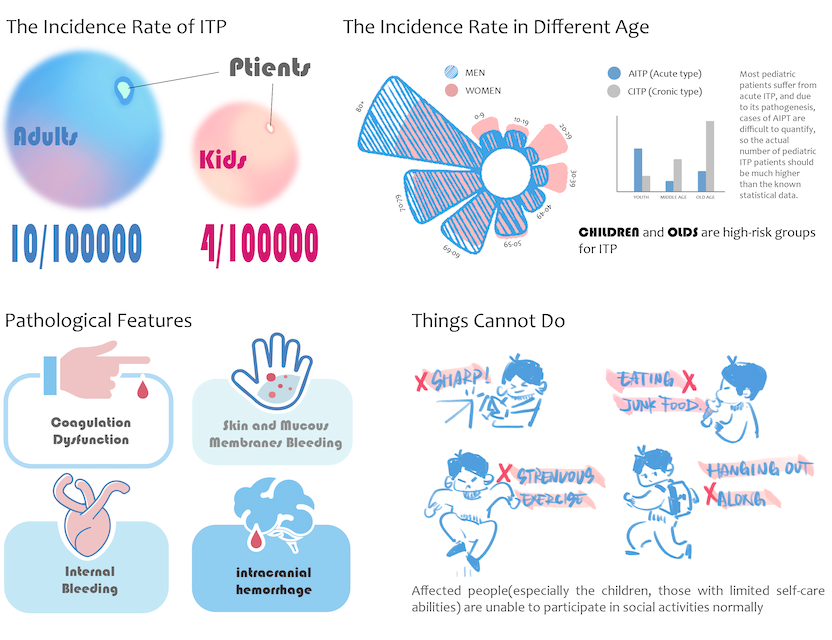
The disease is incurable for life:
1. Immune deficiency: More susceptible to illnesses compared to their peers.
2. Repeated triggers: Often affected by viruses such as influenza.
3. Lifelong risk: Those with severe conditions face ongoing risks of low platelet levels, a contrast to the typical developmental trajectory of health.
RESEARCH
second research
Impact of the Disease
Compared with normal children, pediatric patients with ITP have very limited space and opportunities for physical and social activity.
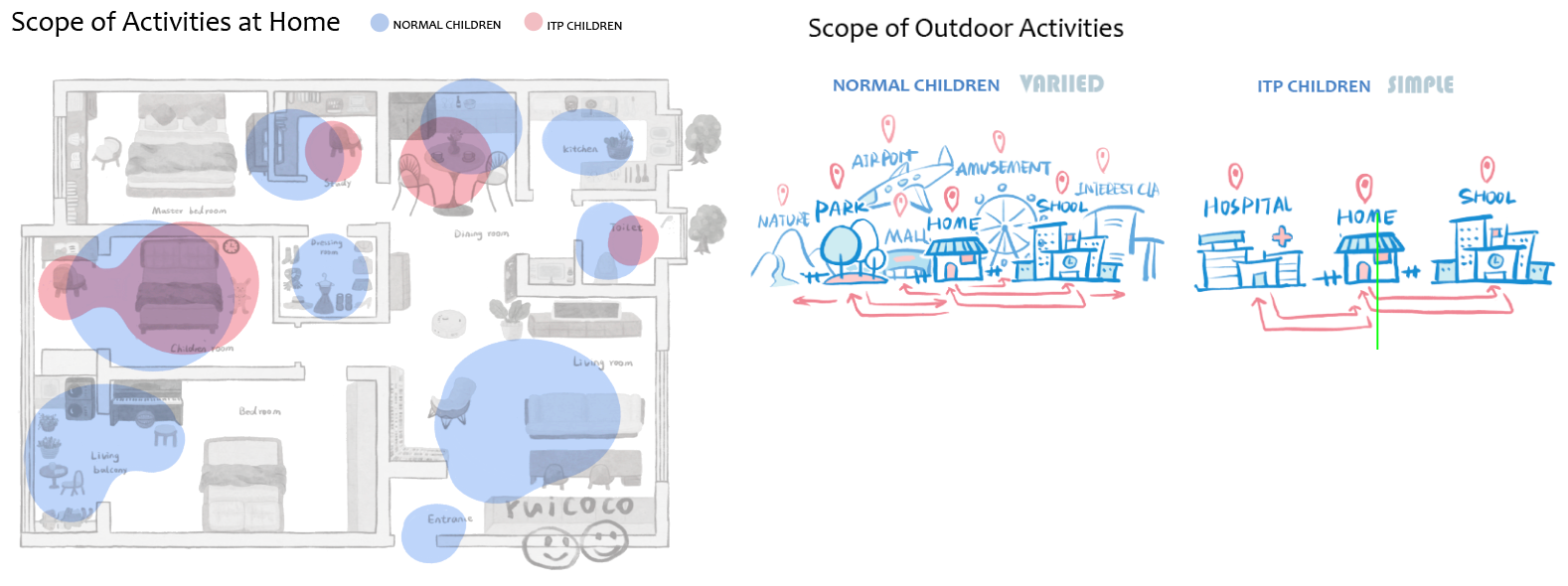
At the same time, chronic illnesses can negatively affect children’s physical and mental development as well as family relationships.

Conclusion
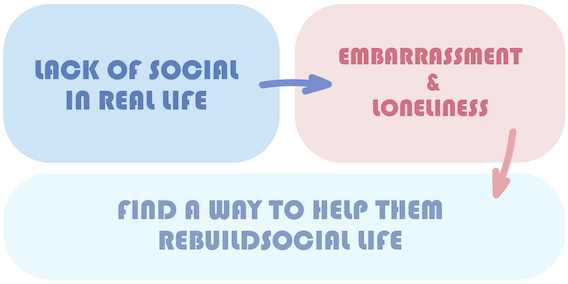
ITP patients, especially children, are often limited by their age in fully understanding their condition. This can lead to significant psychological impacts, such as feelings of embarrassment and low self-esteem due to perceived differences from peers. Given the lifelong nature of this condition, it is crucial to help children gain a correct and objective understanding of their illness.
first research
Interview of Relevant Practitioner
The purpose is to understand the situations and needs of other patients besides oneself provides a more comprehensive and intuitive understanding of the needs. It also helps to understand the current support and assistance available for ITP patients.
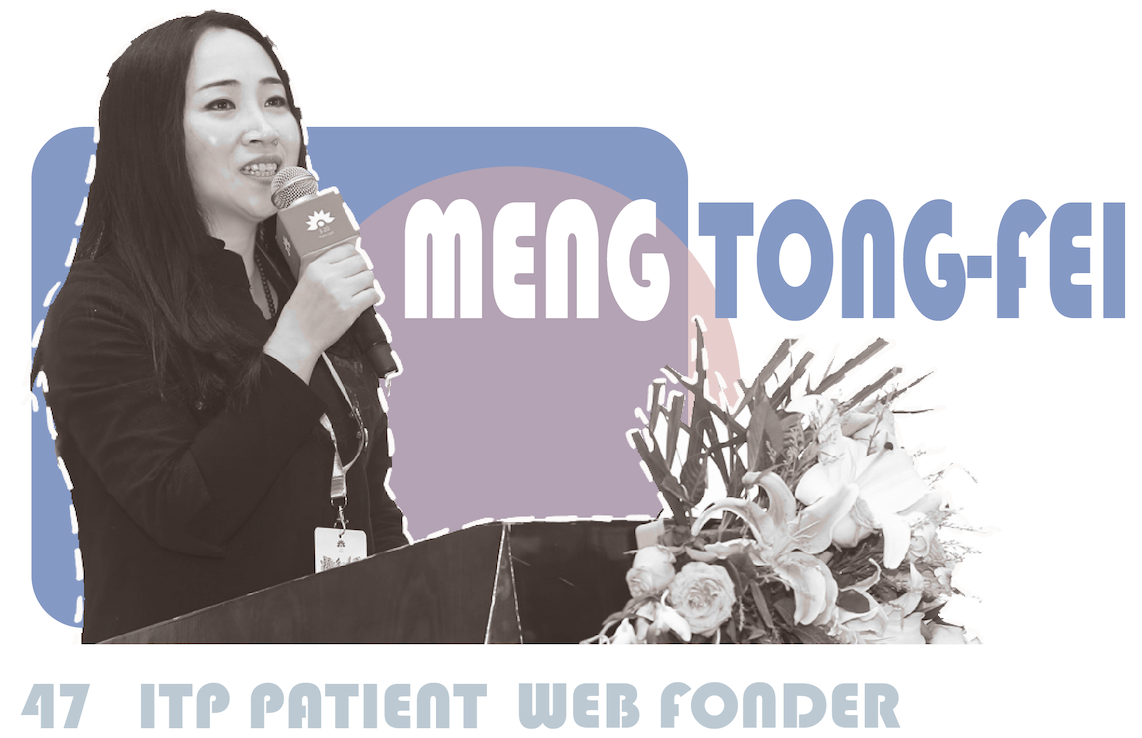
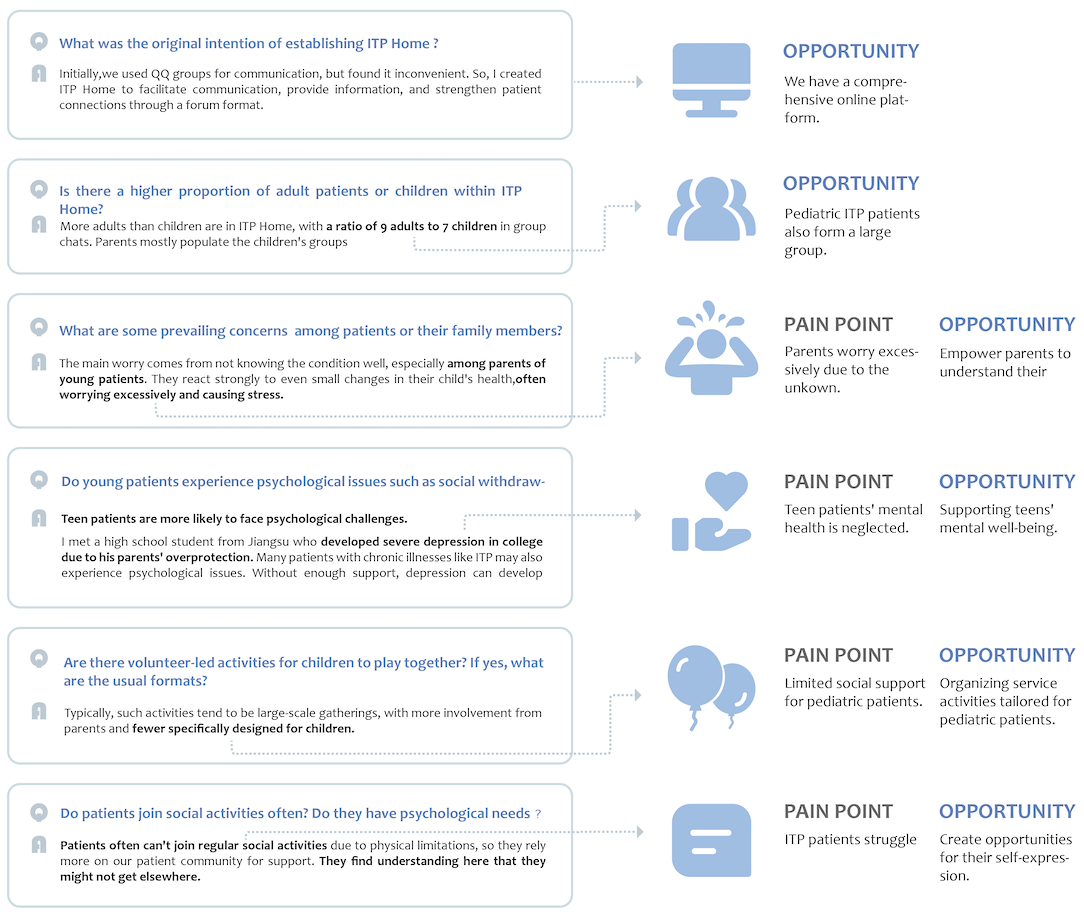
The interview reveals some challenges within the ITP community: excessive parental anxiety due to lack of knowledge, neglected mental health in teens, and social isolation for patients.
Key opportunities lie in leveraging the existing online platform to provide targeted education for parents, psychological support for adolescents, and organizing tailored activities to foster connection and self-expression.
Questionnaire

This survey uncovers the dual burden for ITP patients: significant financial pressure from medical costs and a profound emotional support gap. While patients adapt through peer communities, systemic psychological care is critically lacking. The stories of an isolated child and his anxious caregiver highlight a clear opportunity: designing solutions that address not just clinical, but also emotional and social well-being.
PROJECT
Design Purpose
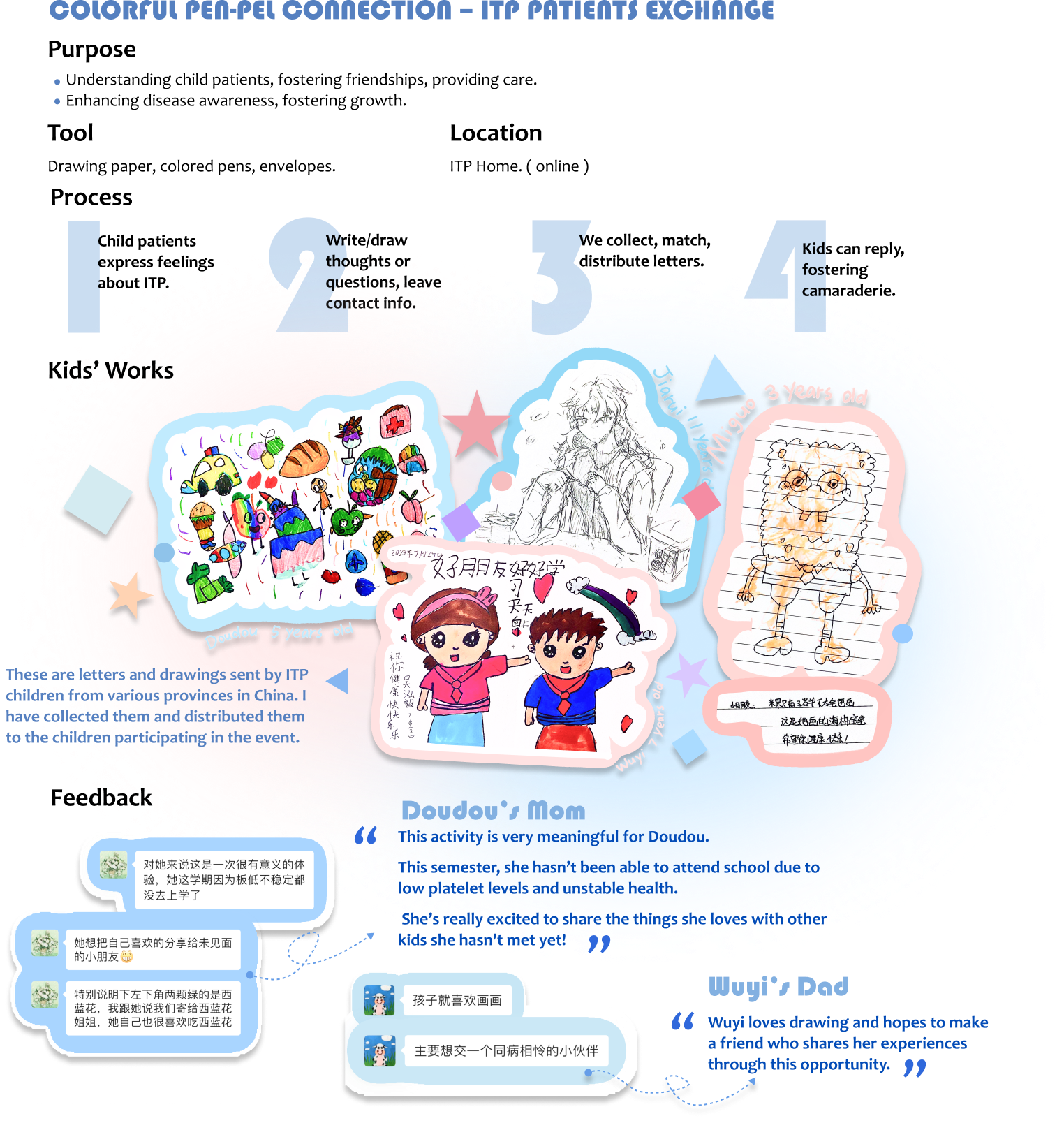
Help young children overcome loneliness, understand ITP disease better, and build self-confidence.
concept
Target Audience & Needs:
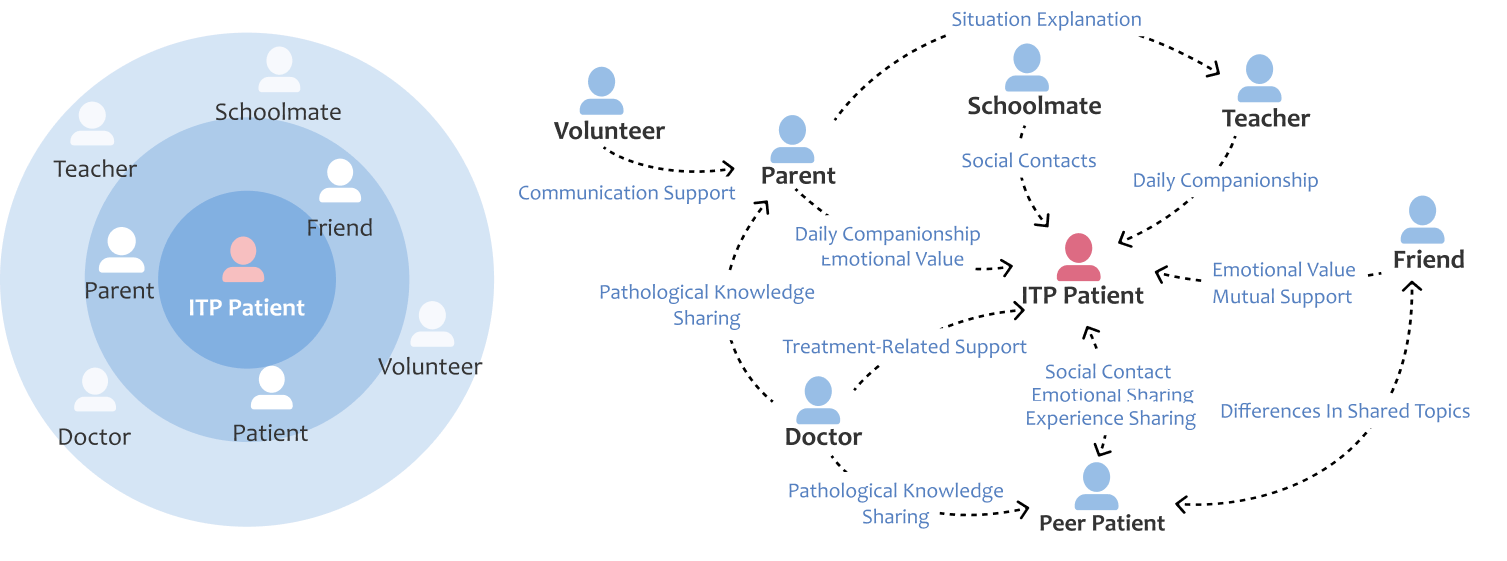
Pediatric Patients : Make friends,conquer fear,feel supported
Parents : Enhance parent-child communication,reduce anxiety understand their children
Volunteers : Gain information to support patients effectively
Features:

My project:
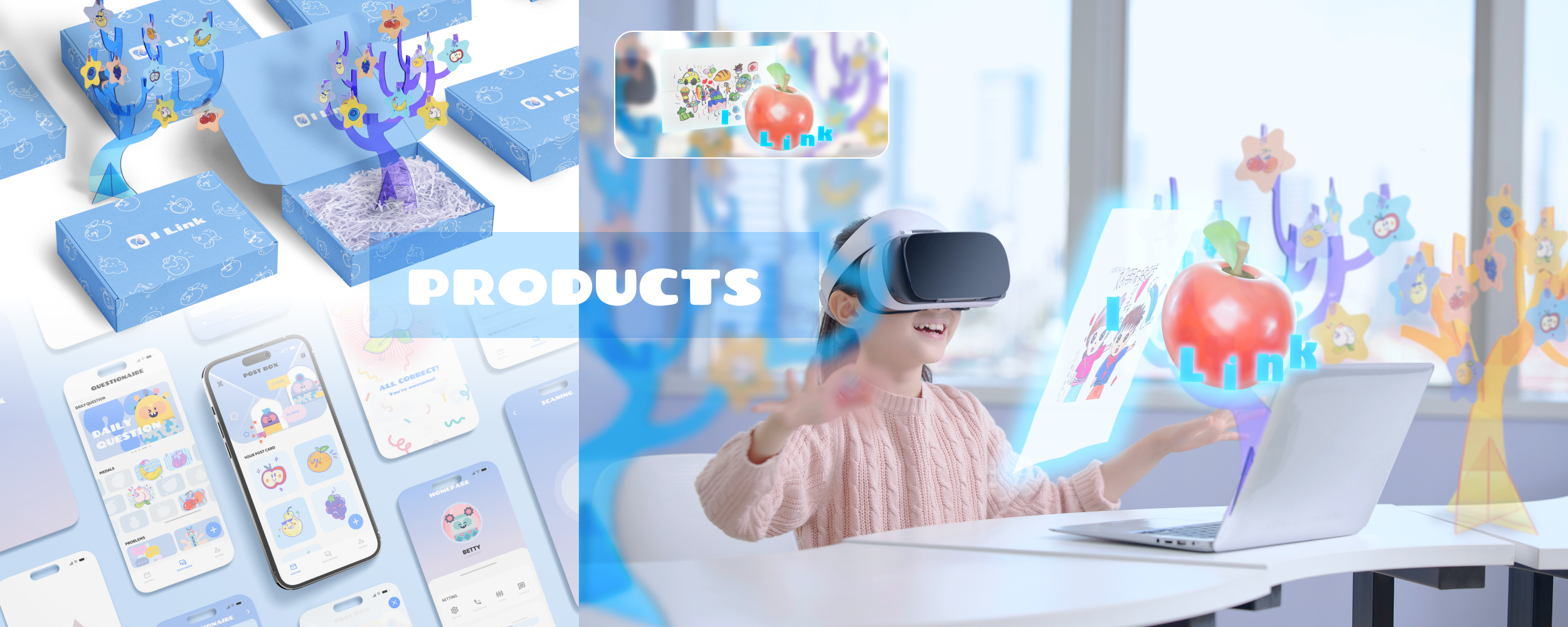
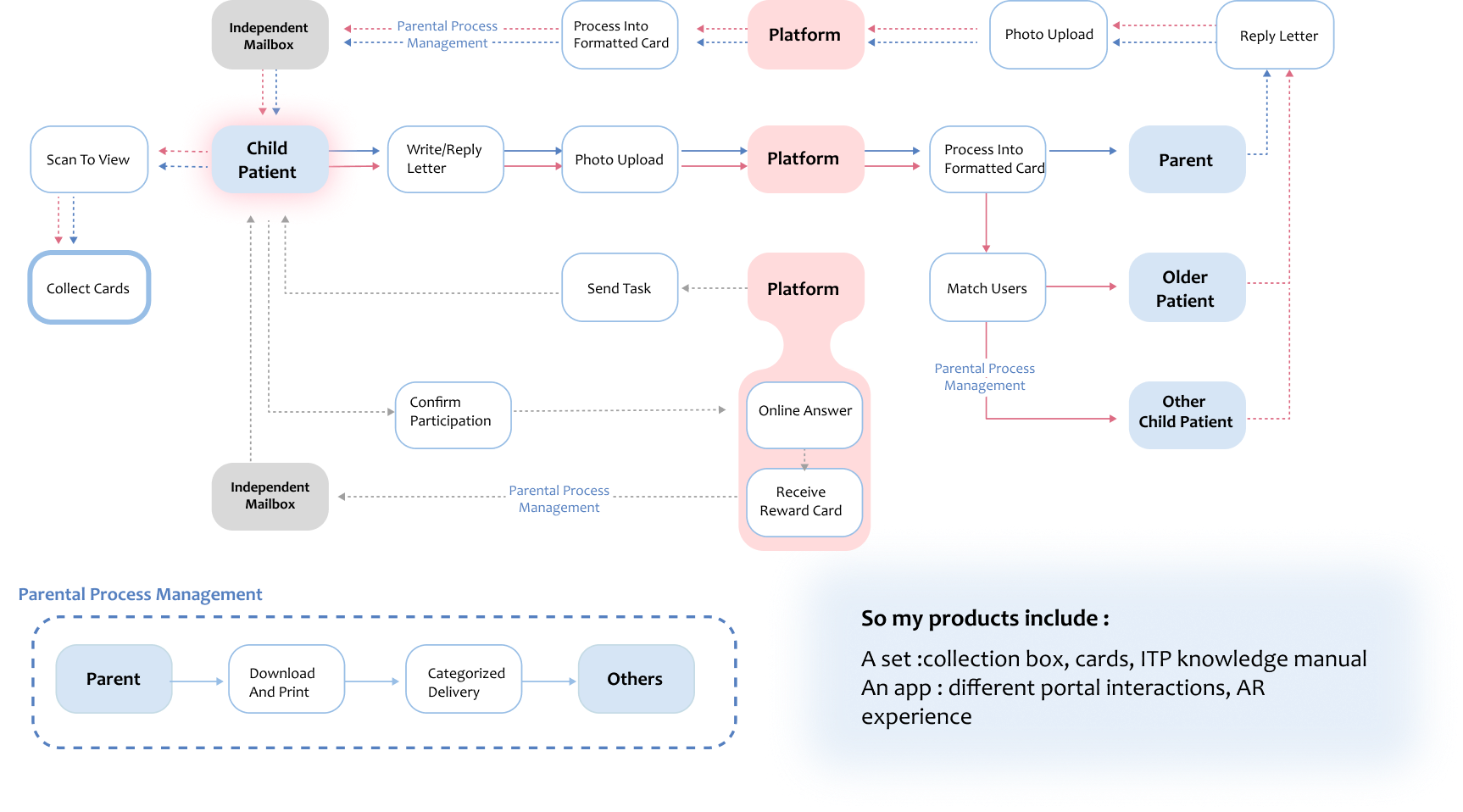
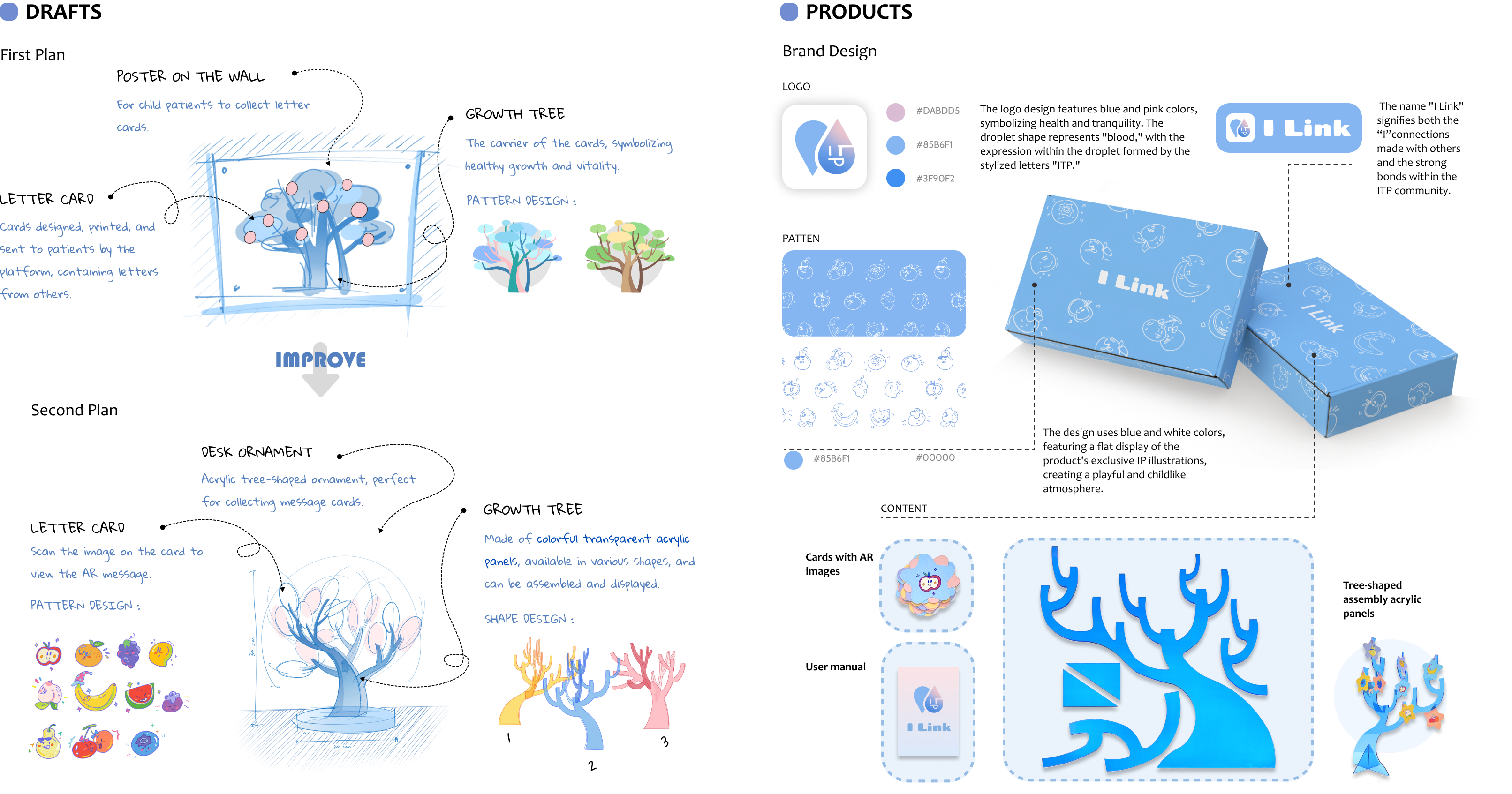
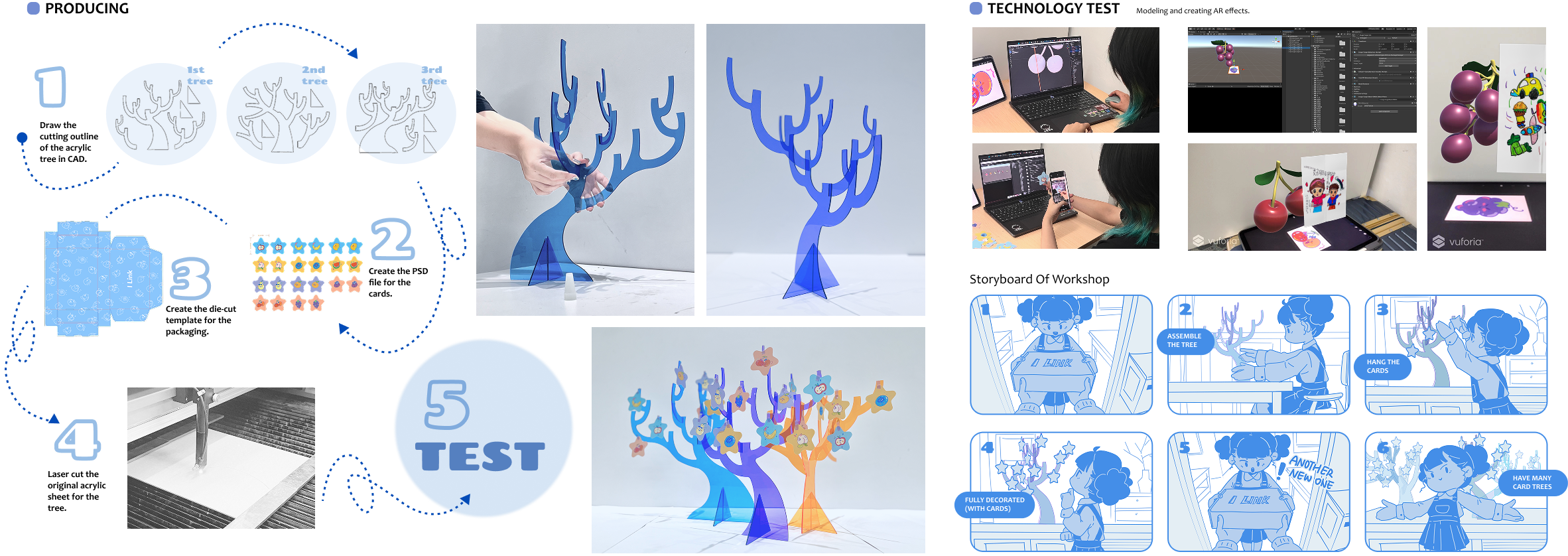
This product is a combination of "virtual and physical" elements.It includes an app for information transmission and organization, a gift box for collecting and storing letters (containing cards and an acrylic tree), and an AR system to enhance the interactive experience for children viewing letters.
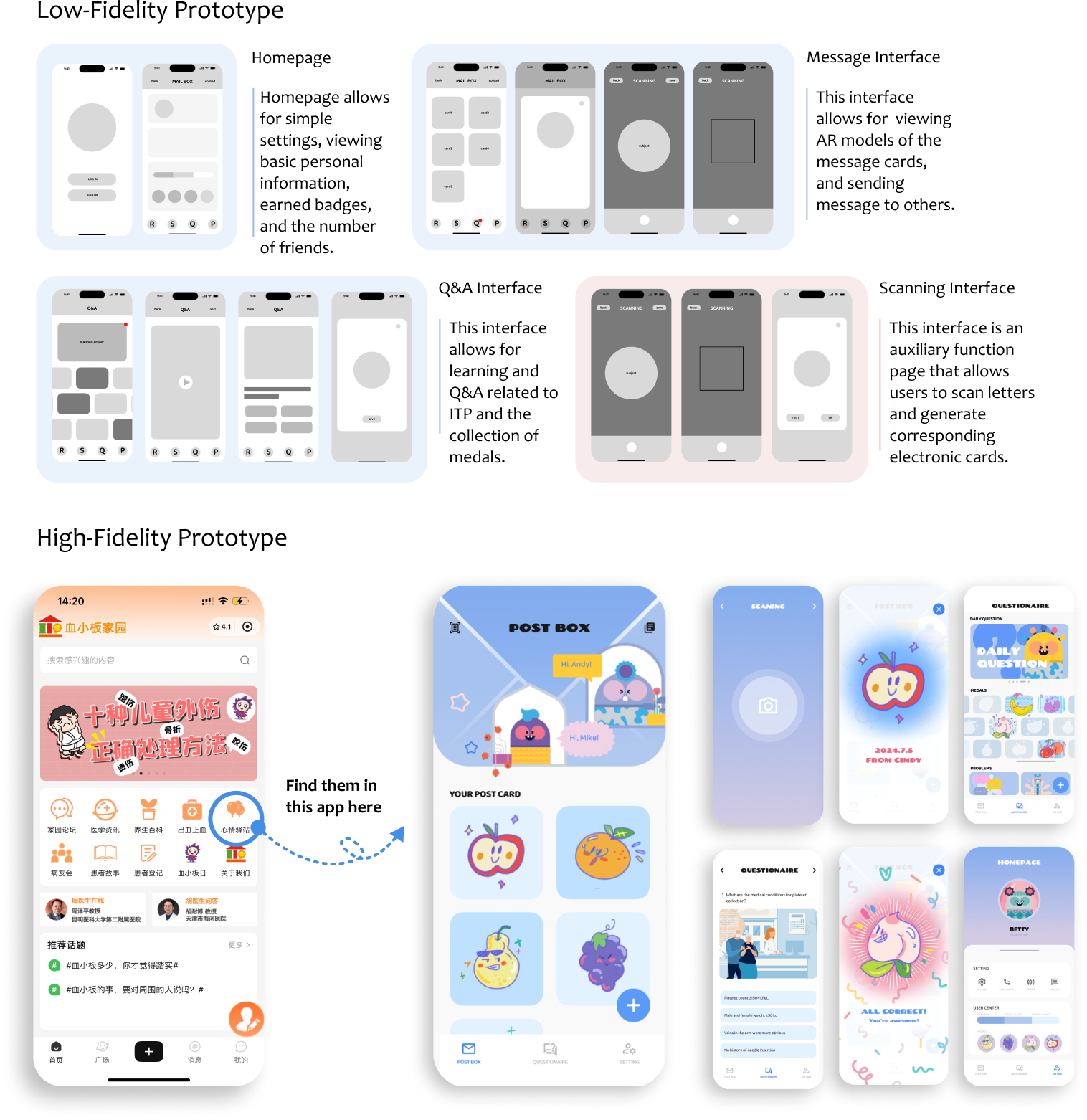
In the app, children can take and send photos of letters, view electronic versions of the letters transformed into digital cards, and earn badge icons through pathology knowledge quizzes, facilitating social interaction and learning.
The physical cards and acrylic tree provide a tangible sense of being surrounded by love; each tree symbolizes friendship and companionship, reducing feelings of loneliness.
The AR interactive experience compensates for the lack of outdoor play opportunities, satisfying children's curiosity and exploration desires.
Looking Ahead
This project reaffirms my belief that design in healthcare must address emotional and social needs with the same rigor as clinical ones.
Moving forward, I plan to continue collaborating with Meng Tongfei and ITP Home to monitor the project's impact and explore new platform features based on ongoing feedback. Our goal is to keep evolving this system into a sustainable, long-term support network for young patients and their families.