
PATHESIA
A game that explores the flexibility of choices and challenges the idea of a single 'right' path. Date:2025/02
In East Asian societies, people are often expected to make the “right” choice at key life moments—as if one wrong step leads to lasting failure. As a result, this mindset fuels anxiety and self-doubt. In response, this game challenges the idea of a single correct path and aims to ease the pressure of decision-making.
Players use puzzle pieces to build routes on a map, reaching nodes where they engage in dialogue and exploration to unlock new pieces. Despite the different routes, all lead to the same end—suggesting that life decisions rarely have only one right answer.
Through this structure, the game encourages players to see choices as flexible and recoverable, offering a gentler perspective on decision-making under pressure.
BACKGROUND
A popular label, "Key Life Moments for Chinese People" has recently emerged on Chinese social media, poking fun at the notion of constantly facing "critical decisions" in life.
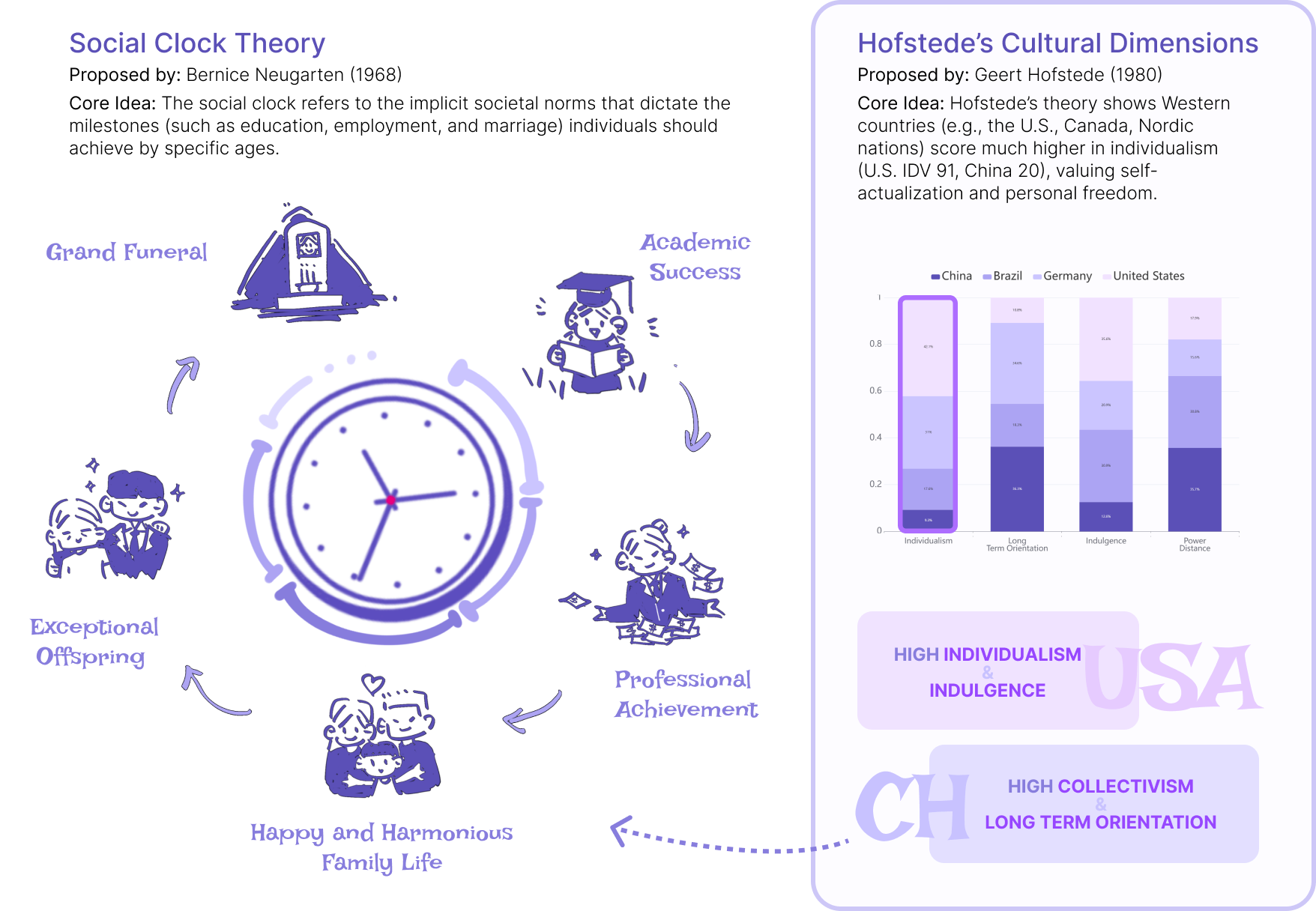
In today's society, many are suffocated by societal rules dictating "what to do at what age." The widespread anxiety in East Asian societies surrounding "key life milestones" (such as academic progression, employment, and marriage/family pressures) essentially stems from a conflict between the "social clock" and individual freedom of choice. When disciplines like "getting married and established by age 30" are alienated into absolute standards, the fear of making the "wrong" choice often outweighs the courage to explore oneself.
RESEARCH
To better illustrate how the theory of the social clock, under a collectivism, gives rise to societal pressure in East Asian cultures, I will use a lifeline to contrast the differing perspectives and attitudes toward life milestones between Eastern and Western societies.
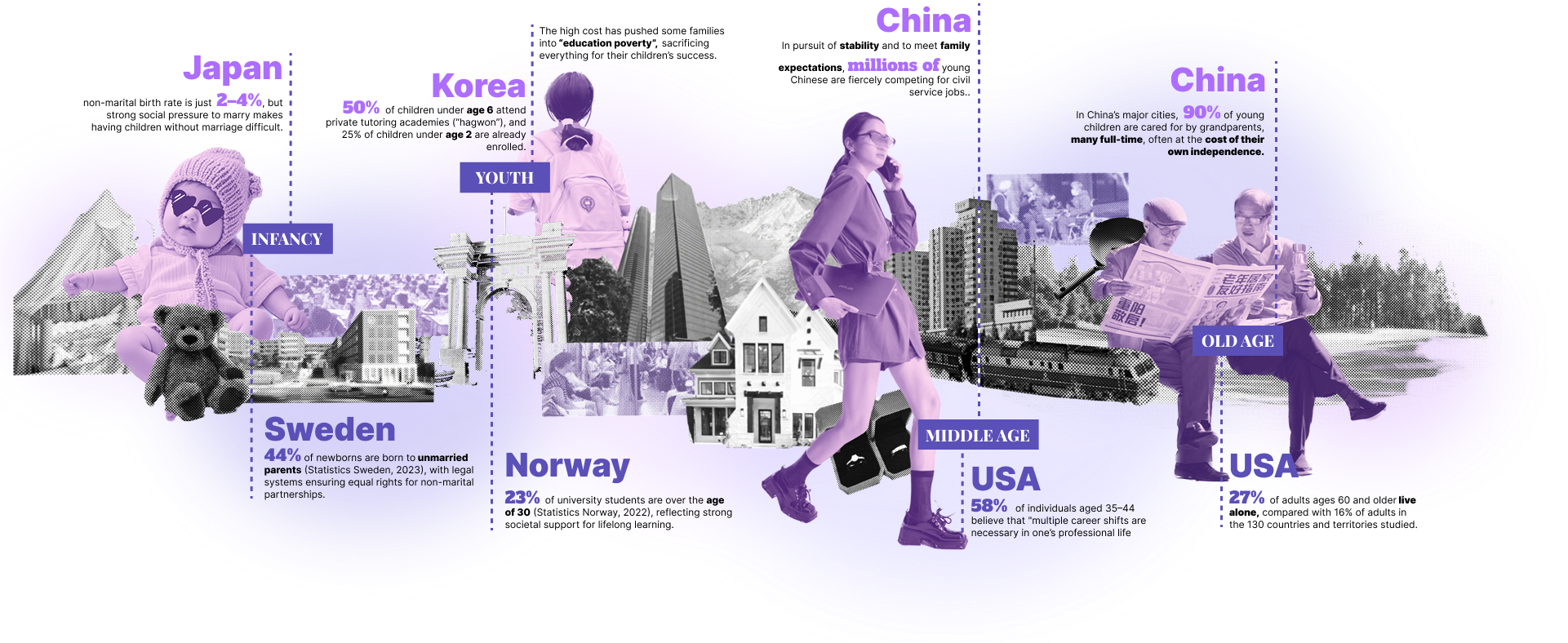
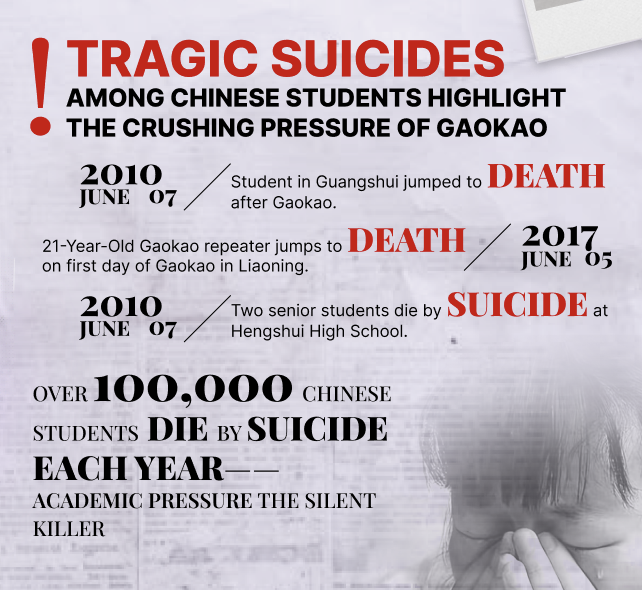
Due to a combination of social and cultural factors—such as strong collectivism (i.e., low individualism), social clock, and restraint—East Asian societies tend to exhibit heightened anxiety when facing major life decisions. When outcomes deviate from personal expectations, individuals often struggle to cope, sometimes leading to tragic consequences.
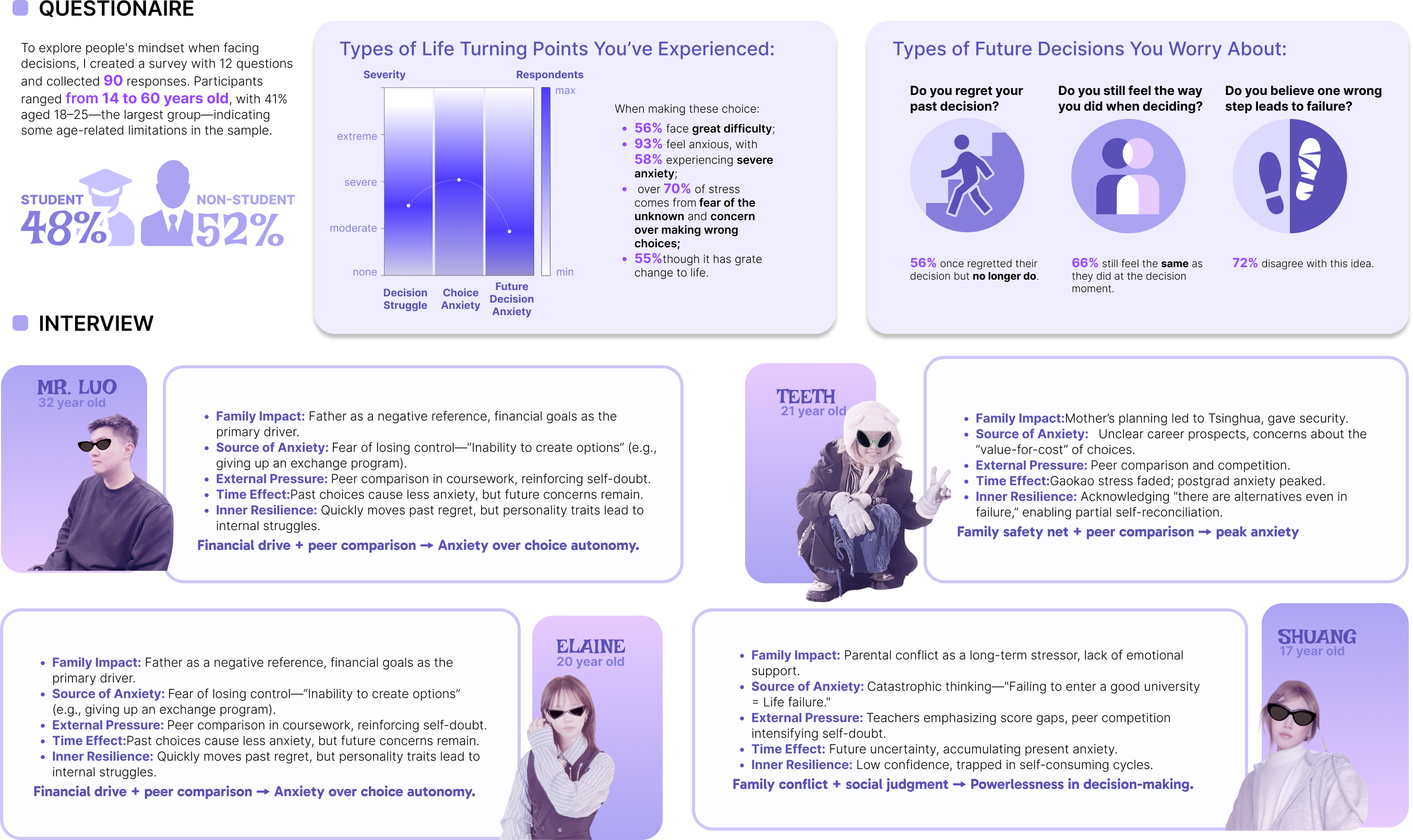
At the same time, I conducted primary research by designing questionnaires and interviewing family members and friends about their perspectives on life choices.
Summery
In East Asian societies, the "social clock" imposes structural pressure through age norms (e.g., “settle down before 30”) and collectivist values such as family expectations and peer comparison. This often leads individuals into decision-making anxiety and self-doubt.
However, the social clock is not a life manual, but a constructed cognitive framework that can be deconstructed. When individuals transform their anxiety into an exploration of possibilities, so-called "wrong choices" become starting points for reinterpreting and reconstructing meaning.
PROJECT
Design Purpose
To develop a nonlinear narrative game that questions the notion of a singular correct path, affirms the validity of diverse life choices, and resists the psychological pressure reinforced by the convergence of collectivism and the social clock.
Game mechanics
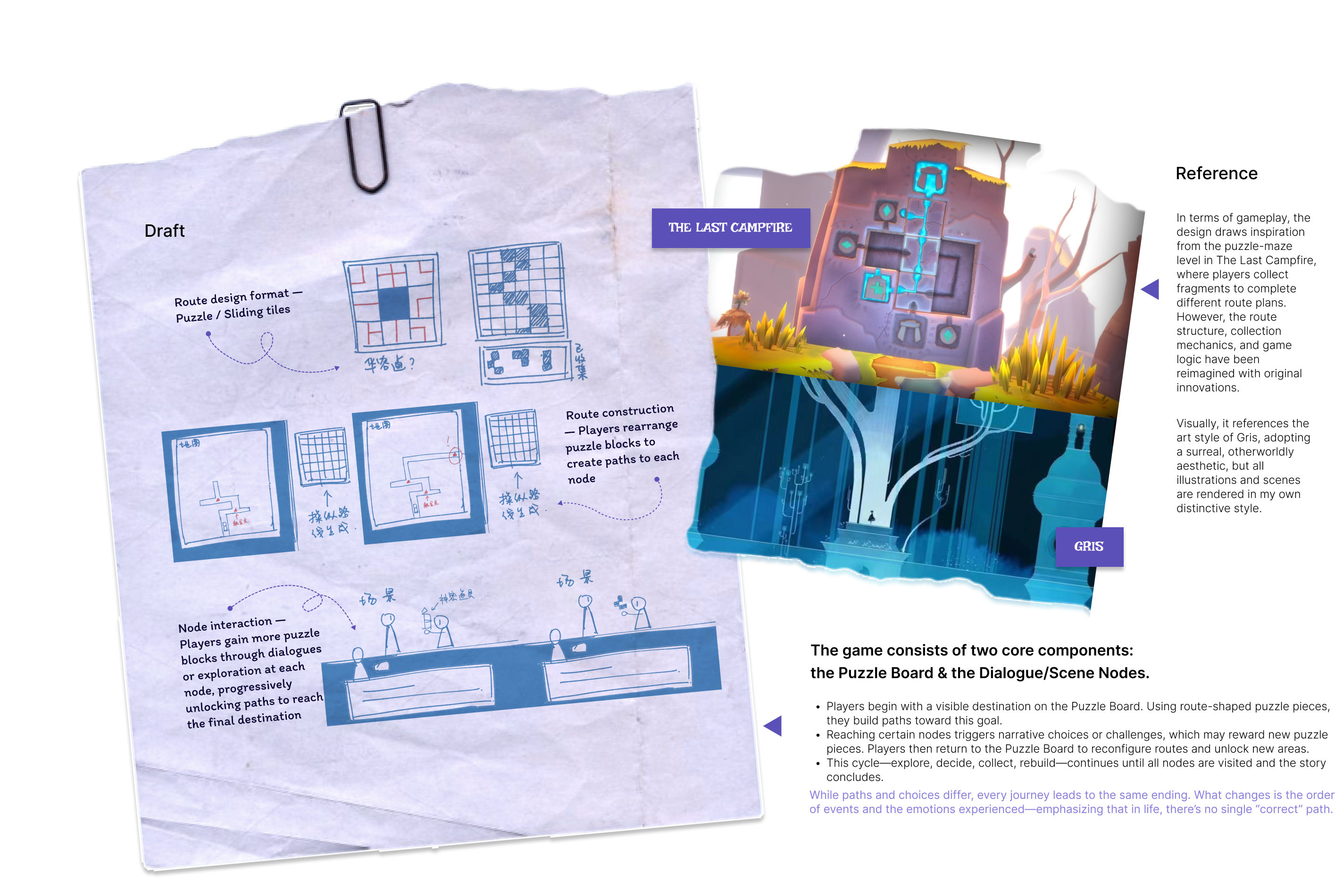
The game consists of two core components: the Puzzle Board & the Dialogue/Scene Nodes.
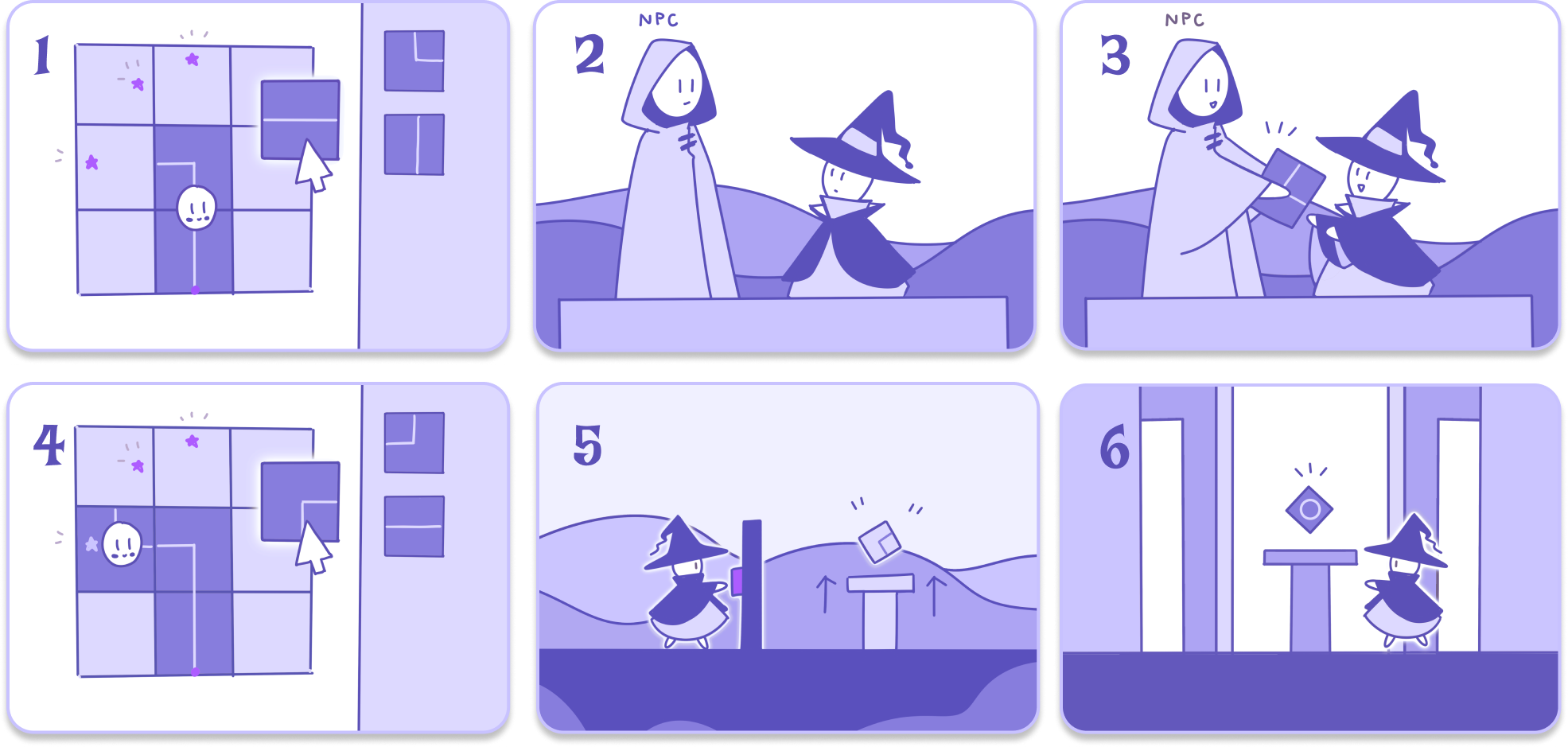
· Players begin with a visible destination on the Puzzle Board. Using route-shaped puzzle pieces, they build paths toward this goal.
· Reaching certain nodes triggers narrative choices or challenges, which may reward new puzzle pieces. Players then return to the Puzzle Board to reconfigure routes and unlock new areas.
· This cycle—explore, decide, collect, rebuild—continues until all nodes are visited and the story concludes.
While paths and choices differ, every journey leads to the same ending. What changes is the order of events and the emotions experienced—emphasizing that in life, there’s no single “correct” path.
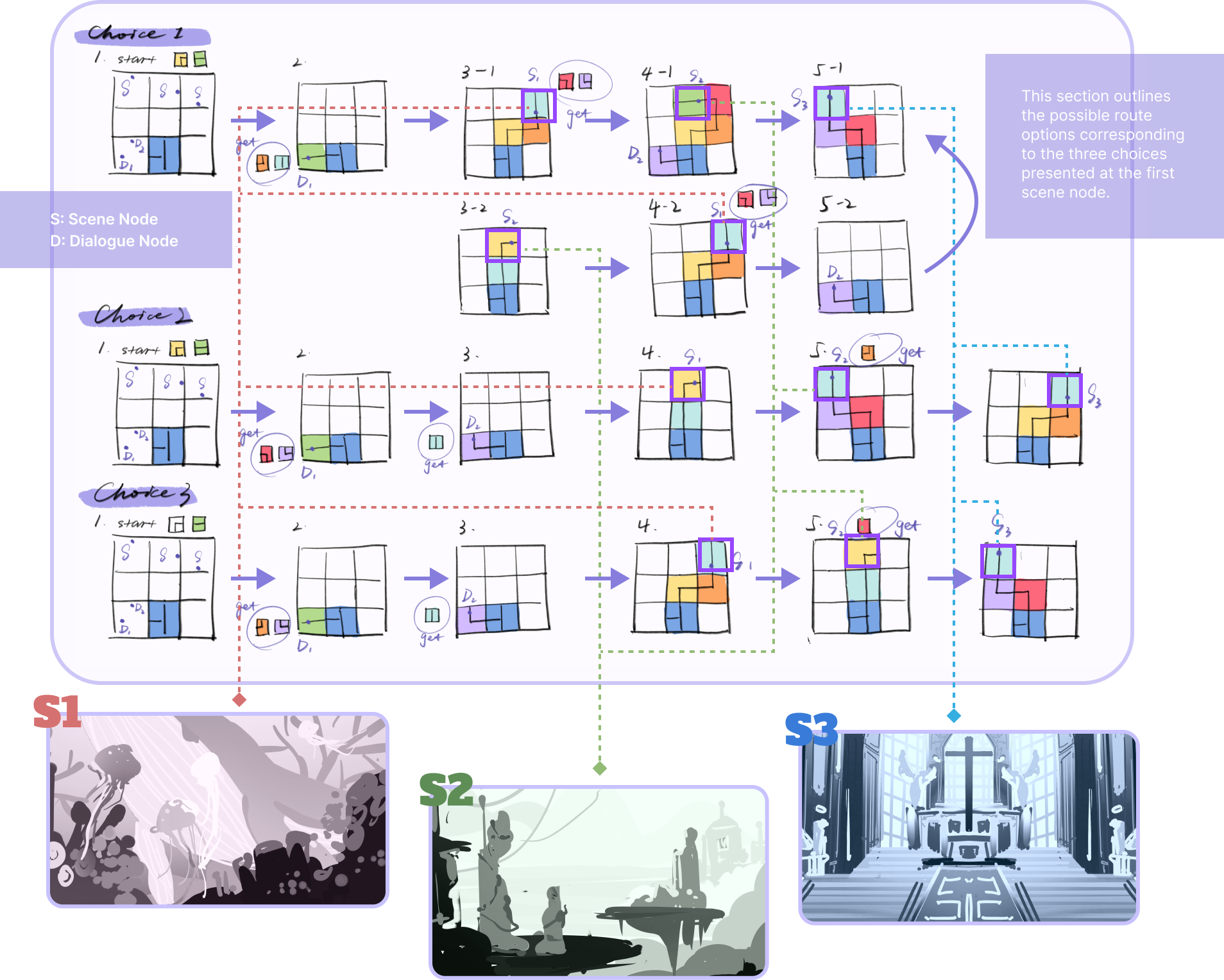
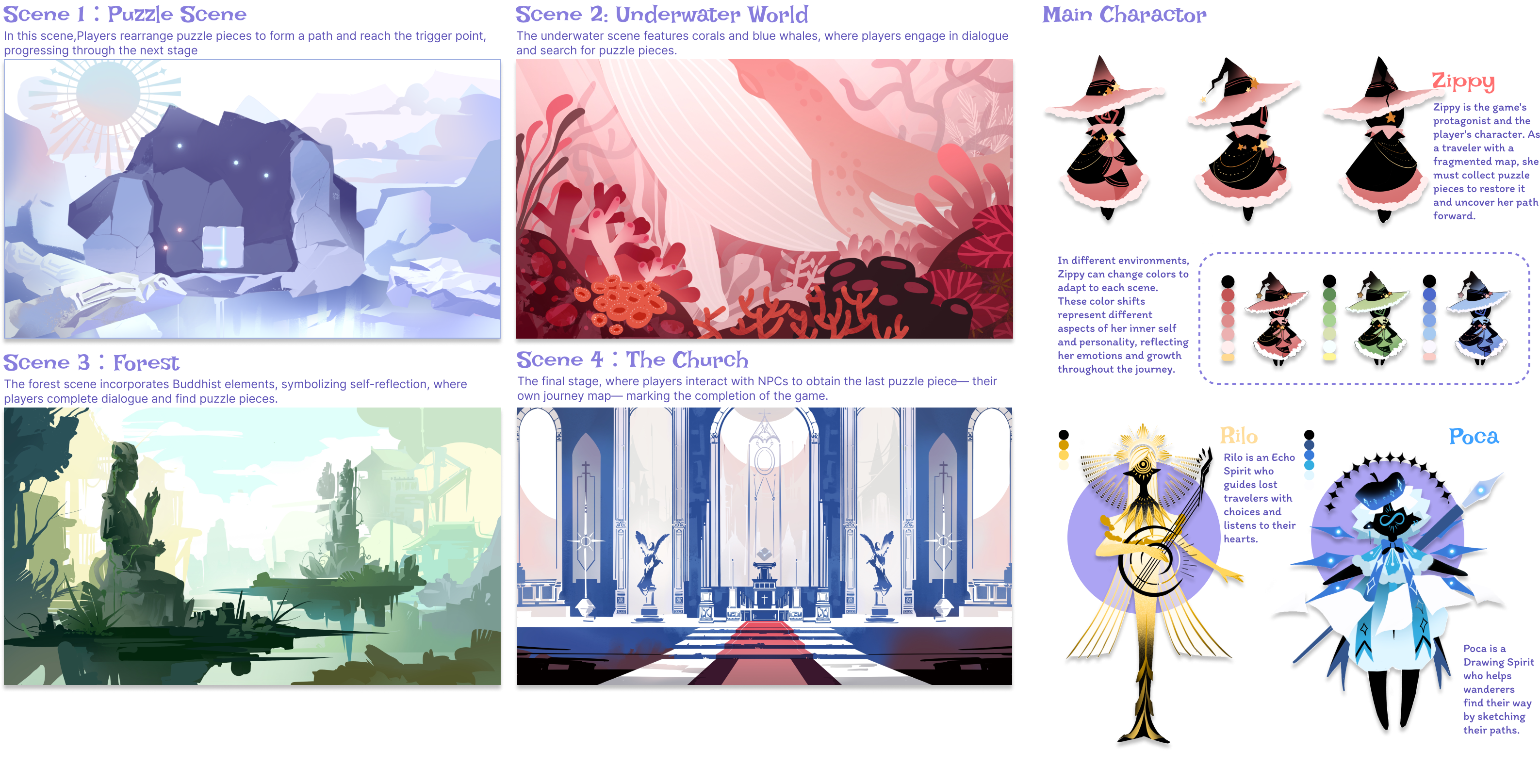
Now I have currently designed demos for three different paths.
Visual Design
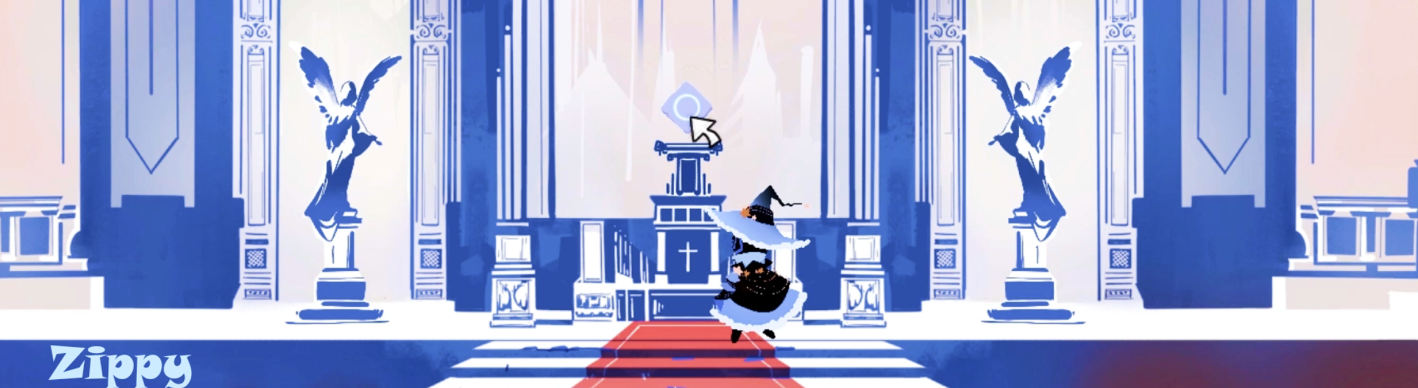
The game demo consists of three types of scenes:
One puzzle scene, two NPC dialogue scenes, and three interactive scenes (including the final ending).
Once players complete the puzzle in the puzzle scene, the dialogue and interactive scenes are unlocked.
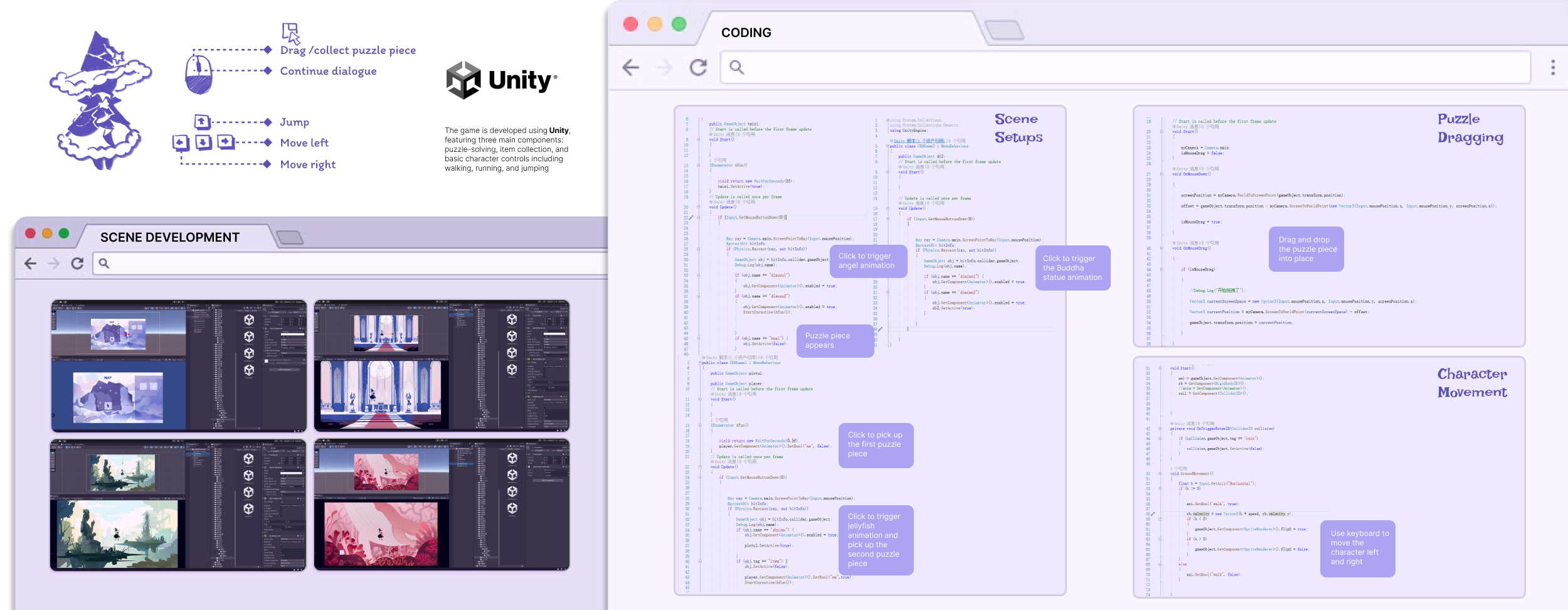
Development
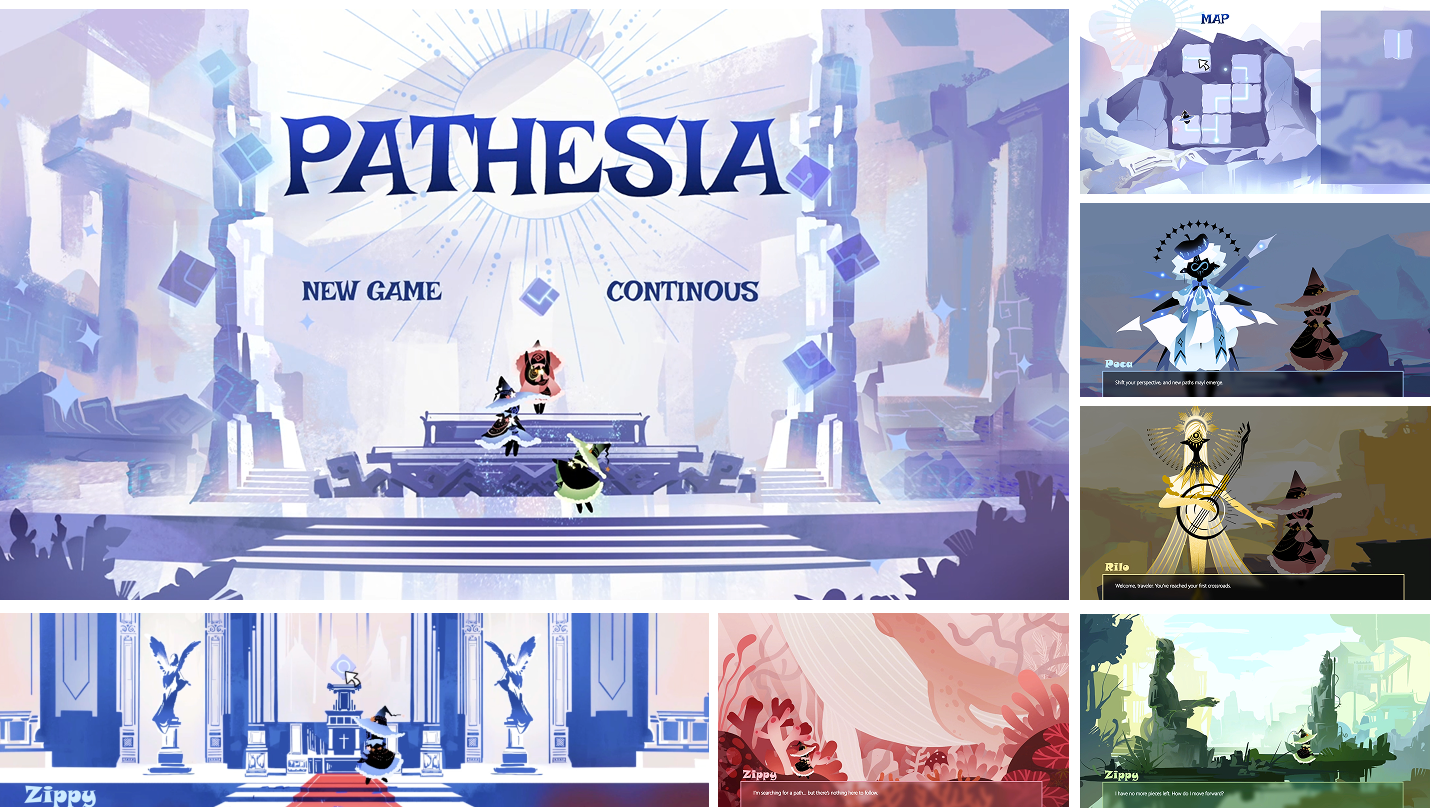
final work
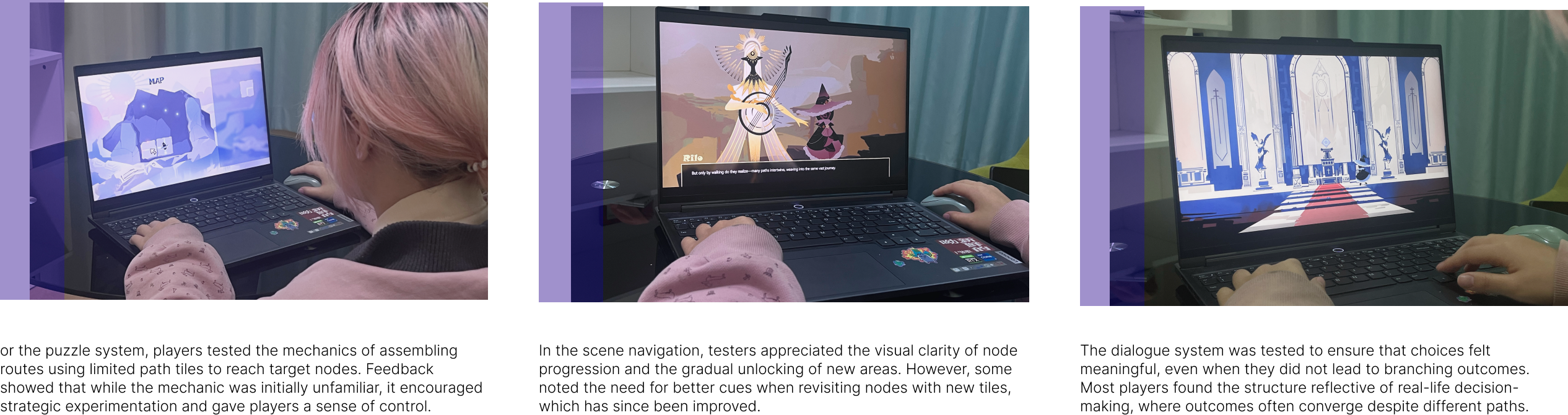
playing test
reflection
The current version offers a basic structure for nonlinear exploration, but route combinations and scene diversity remain limited. Future development will expand the number of nodes and introduce new mechanics such as “regret” and “undo” to enrich emotional depth and decision dynamics. Hidden easter eggs and branching dialogue outcomes will also be added to enhance replayability and immersion.